

A New Era in Carbon Counting: ISO and GHG Protocol Join Forces

What’s Happening?
Two major organizations — the International Organization for Standardization (ISO) and the Greenhouse Gas Protocol (GHG Protocol) — have teamed up to create common rules and standards for measuring and reporting greenhouse gas (GHG) emissions. These emissions include carbon dioxide (CO₂) that causes climate change.
Why is this Important?
Until now, different groups made their own rules for tracking emissions, leading to confusion and inconsistency. This new partnership will develop a unified, clear, and trustworthy way for companies, governments, and investors to measure and share their emissions data.
What Will Change?
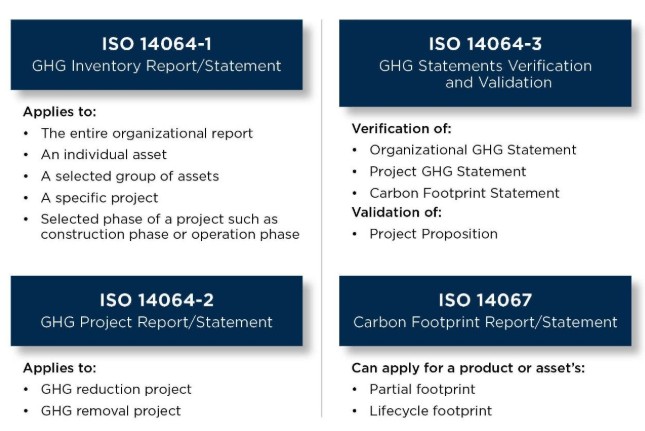
- Both organizations will combine their existing standards into a single set of global rules, making it easier for everyone to follow and compare data.
- They will develop new standards to measure the entire carbon footprint of products, companies, and projects.
- This will create one common language for emissions reporting worldwide, helping countries and companies act faster to reduce their climate impact.
Who Benefits?
- Companies: Will have simpler, clearer rules to follow.
- Governments and Policymakers: Will get consistent data to make smart climate policies.
- Investors and Banks: Will get reliable information to decide where to put money responsibly.
- Everyone: Will see more trust in climate data, encouraging real actions to cut emissions.
What Do Experts Say?
Leaders from ISO and GHG Protocol emphasize that this partnership will make climate action easier and more credible globally. It will help the world move toward reducing greenhouse gases and fighting climate change more effectively.
Authority & Support:
- ISO (International Organization for Standardization): A global body that creates technical standards used worldwide.
- GHG Protocol: A leading global standard for companies to measure and report their emissions, developed by the World Resources Institute and the World Business Council for Sustainable Development.
- Supporting Bodies: The Standards will support the new International Sustainability Standards Board (ISSB), part of the IFRS Foundation, which oversees global sustainability disclosures, and the upcoming COP30 climate conference.
Reducing fuel consumption or improving fuel efficiency is definitely an advantage aligned with the goals of the GHG Protocol.
How does it relate?
- The GHG Protocol provides standards for measuring and reporting greenhouse gas emissions from various activities, including fuel use in transportation, energy production, and industrial processes.
- By focusing on reducing fuel consumption or increasing fuel efficiency, companies and governments can lower their greenhouse gas emissions, which the GHG Protocol helps quantify and track.
- Improving fuel efficiency means getting more work or distance out of each unit of fuel, leading to fewer emissions overall for the same amount of activity or transportation.
Advantages:
- Lower Emissions: Less fuel burned equals fewer greenhouse gases released.
- Cost Savings: Decreased fuel use reduces operational costs.
- Better Reporting: Accurate measurement and reporting under the GHG Protocol can demonstrate progress toward emission reduction targets.
- Supporting Climate Goals: Aligns with global efforts to reduce carbon footprint and meet climate commitments like the Paris Agreement.
In summary, enhancing fuel efficiency is a practical, measurable way to reduce greenhouse gas emissions and is supported by the GHG Protocol standards for climate action and sustainability reporting.